Trusted Madison best Roofing Company for Quality Craftsmanship
Trusted Madison best Roofing Company for Quality Craftsmanship
Blog Article
Reliable Roofing Service for Your Home's Protection and Style
Picking a reputable roofing contractor is fundamental for safeguarding a home's integrity and enhancing its visual appeal. Homeowners navigate diverse choices, and the appropriate contractor can make all the difference. Superior supplies and experienced workmanship are indispensable for durability and preservation from likely wear. Understanding what to look for in a contractor can yield wiser selections. Nonetheless, various factors can complicate this endeavor, prompting thorough study into the attributes that define a solid roofing companion.
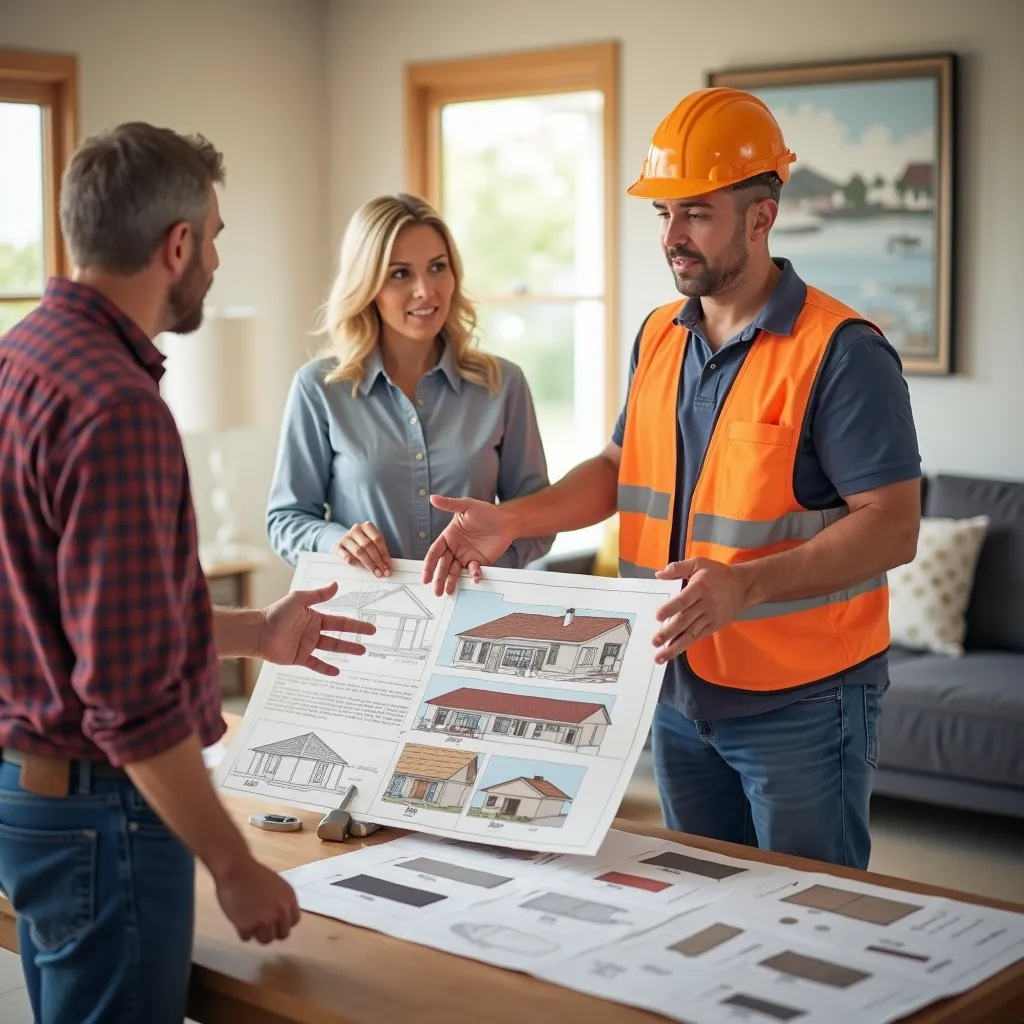
Why Choosing the Ideal Roofing Company Is Critical
Identifying the ideal roofing contractor can substantially shape a homeowner's long-term safety and investment. A judiciously chosen contractor not only assures quality workmanship but also provides peace of mind through solid service. It is imperative for homeowners to comprehend that the roof operates as the primary safeguard against natural elements, which makes expert installation and consistent maintenance imperative. Subpar work can lead to issues such as leaks, structural damage, and escalating repair costs over time. Additionally, a reputable roofing company often incorporates excellent quality materials, which can prolong the longevity of the roof. Homeowners should also consider the importance of warranties and customer support when making their choice. In a market filled with options, understanding the significance of selecting a trustworthy roofing partner can fortify both the home and the homeowner's investment, ultimately contributing to a secure and durable living environment.
Key Qualities of a Reliable Roofing Contractor
When looking for a dependable roofing contractor, homeowners need to focus on several key qualities that represent professionalism and trustworthiness. Firstly, a solid reputation within the community is vital; positive reviews and testimonials usually exhibit a contractor’s dedication to quality work. Secondly, proper licensing and insurance are critical, guaranteeing that the contractor complies with local regulations and shields homeowners from liabilities. Thirdly, having experience in the industry can show a contractor’s ability to manage a variety of roofing challenges successfully. In addition, clear communication is key; a trustworthy contractor should provide detailed estimates and respond promptly to questions. Finally, paying attention to high-quality materials and craftsmanship is indispensable for long-term durability. By examining these qualities, homeowners can make educated decisions, ensuring their roofing project is completed to their satisfaction and provides lasting results.
Key Questions for Your Roofing Contractor?
When selecting a roofing company, it is necessary to ask pointed inquiries to determine their competencies and credibility. Conversations about their experience, protections, and material options can provide pertinent information into their capabilities. This analysis will showcase vital inquiries that secure a educated determination for homeowners.
Experience and Qualifications
Experience and qualifications are crucial factors in choosing a roofing contractor. Homeowners should ask for the contractor's years in the industry, as extensive experience often correlates with a greater understanding of various roofing systems and challenges. It's also important to verify the contractor's licensing and insurance status, confirming compliance with local regulations and defense from potential liabilities. Asking for references and reviewing past projects can provide insight into the contractor's workmanship and reliability. Additionally, homeowners should consider certifications from manufacturers, indicating specialized training and knowledge. A qualified contractor will easily provide documentation of their credentials, showcasing their commitment to quality and professionalism. Thorough vetting ensures a reliable partner for any roofing project, protecting both the home and investment.
Protection and Guarantees
A detailed warranty and guarantee policy is essential for homeowners selecting a roof contractor. This element serves as a protective buffer, guaranteeing that any issues occurring after installation will be resolved without extra expenses. Homeowners should inquire about the length of the warranty and what it explicitly includes, including workmanship and materials. It is also important to ask whether the warranty is movable, which can increase worth if the home is sold. Furthermore, homeowners should confirm if the contractor offers a satisfaction guarantee, delivering confidence of the caliber of labor. Engaging in this dialogue not only clarifies requirements but also strengthens the service provider's dedication to quality and accountability in their work.
Materials and Selections
Choosing the appropriate options for your roof is essential for both longevity and appearance. Homeowners should consider multiple choices, such as asphalt shingles, metal roofing, wood shakes, and tile, each providing unique benefits. When engaging with a roofing contractor, important inquiries arise: What options do they recommend for the local climate? How do the costs compare? What is the anticipated lifespan of each option? Additionally, homeowners should ask regarding the environmental impact and energy efficiency of the materials. Understanding the pros and cons of each type can direct homeowners in making informed decisions that align with their style preferences and budget. In the end, choosing the appropriate roof covering will improve the property's safety while adding to its overall visual appeal.
Analyzing Roofing Options: Strengths, Weaknesses, and Best Uses
When evaluating roofing choices, homeowners often weigh the advantages of asphalt shingles against the advantages of metal roofing. Asphalt shingles are favored for their cost-effectiveness and ease of installation, while metal roofing provides durability and energy efficiency. Understanding the strengths and weaknesses of each material can help homeowners create informed decisions customized for their specific needs and environments.
Asphalt Shingles Primer
Asphalt shingles are viewed as one of the most popular roofing materials in residential construction. Known for their affordability and easy setup, they serve homeowners seeking cost-effective solutions. Available in a selection of colors and styles, asphalt shingles boost the aesthetic appeal of many homes. Their durability against weather elements is impressive, with a lifespan typically ranging from 15 to 30 years. However, they may be less effective in severe weather, such as high winds or heavy snowfall. Additionally, while they offer adequate insulation, they are not as energy-efficient as some other materials. Overall, asphalt shingles remain a reliable choice for homeowners prioritizing budget, style, and proper protection for their residences.
Metal Roof Benefits
Metal roofing delivers a selection of benefits that can assist homeowners pursuing longevity and long-lasting performance. This roofing material is recognized for its remarkable resistance to difficult weather conditions, including high winds, hail, and heavy snow. Furthermore, metal roofs have a lifespan of 40 to 70 years, markedly outlasting time-tested materials like asphalt shingles. They are also energy-efficient, reflecting solar radiant heat and minimizing cooling costs in warmer months. Metal roofing is low-maintenance, requiring minimal upkeep compared to other options. In addition, it is green-minded, often made from recycled materials and fully recyclable at the end of its life. For homeowners prioritizing both safeguarding and visual charm, metal roofing is an superior choice.
Analyzing Customer Comments: What to Pay Attention To
How can potential buyers determine the quality of a roofing company through customer feedback? Customer reviews serve as a valuable tool for assessing a roofing company's trustworthiness and workmanship. Future clients should search for patterns in comments, including repeated compliments for timeliness, quality of materials, and overall workmanship. Critical reviews can offer understanding into warning signs, most importantly if multiple clients describe comparable issues.
Furthermore, the responsiveness of the business to reviews—both favorable and negative—can highlight their commitment to client satisfaction. Customers should also take into account the overall rating and the quantity of testimonials, as a strong score with many reviews often suggests a trustworthy business. Finally, specific comments about the roofing process, including schedules and communication, can provide a clearer picture of what to expect. Evaluating these factors helps potential customers make well-considered choices when choosing a roofing company.
Why Warranties and After-Service Are Important
When making a choice of a roofing company, understanding the weight of guarantees and after-service can profoundly sway a homeowner decision. Warranties operate as a safeguard against unanticipated defects or complications, guaranteeing that the investment in a updated roof is protected. A reputable company typically offers extensive warranties that encompass both materials and labor, providing reassurance.
After-service is just as important, as it reflects a company's commitment to customer satisfaction. Dependable after-service guarantees that homeowners have access to support for upkeep and fixes, fostering a long-term relationship. This can include routine check-ups or quick replies to any issues that occur post-installation.
Fundamentally, guarantees and maintenance support function as markers of a company's trustworthiness and dedication to superior standards. Residents must focus on these considerations to ensure their roofing project not only meets beauty requirements but also endures the passage of years. Selecting a dependable roofing company ultimately secures one's residence and economic well-being.
Commonly Asked Questions
How Much Time Will a Normal Roofing Project Take to Finish?
A regular roof work normally takes from one to three weeks for finishing. complete info Circumstances determining the length encompass the project's size, weather conditions, and the sophistication of the roof design being applied or maintained.
What Kinds of Roofing Materials Are Most Energy Efficient?
Metal, slate, and clay tiles stand among the most energy-efficient roofing materials. These options bounce back sunlight, lower thermal uptake, and result in reduced energy costs, making them ideal choices for enhancing home energy efficiency.
What financing options are available for roofing services?
Various roofing contractors make available financing options, featuring payment plans and credit options, to assist homeowners in managing costs. These options can make it simpler to afford required roofing services while enhancing overall budget flexibility.
How Can I maintain My Roof in proper shape After Installation?
Maintaining a roof in good condition after installation demands periodic evaluations, swift fixes, and routine cleaning. Getting rid of debris, looking for leaks, and confirming adequate water runoff can substantially increase the roof's life expectancy and efficiency.
What should I do if I see a water issue after repairs?
Upon detecting a leak after work, one should immediately contact the roof specialist to assess the situation. Record the leak's location and extent, making sure that all correspondence and observations are carefully documented for future use.
Report this page